The New Preventative Health: Why Weston Professionals Are Stretching Before Pain Starts
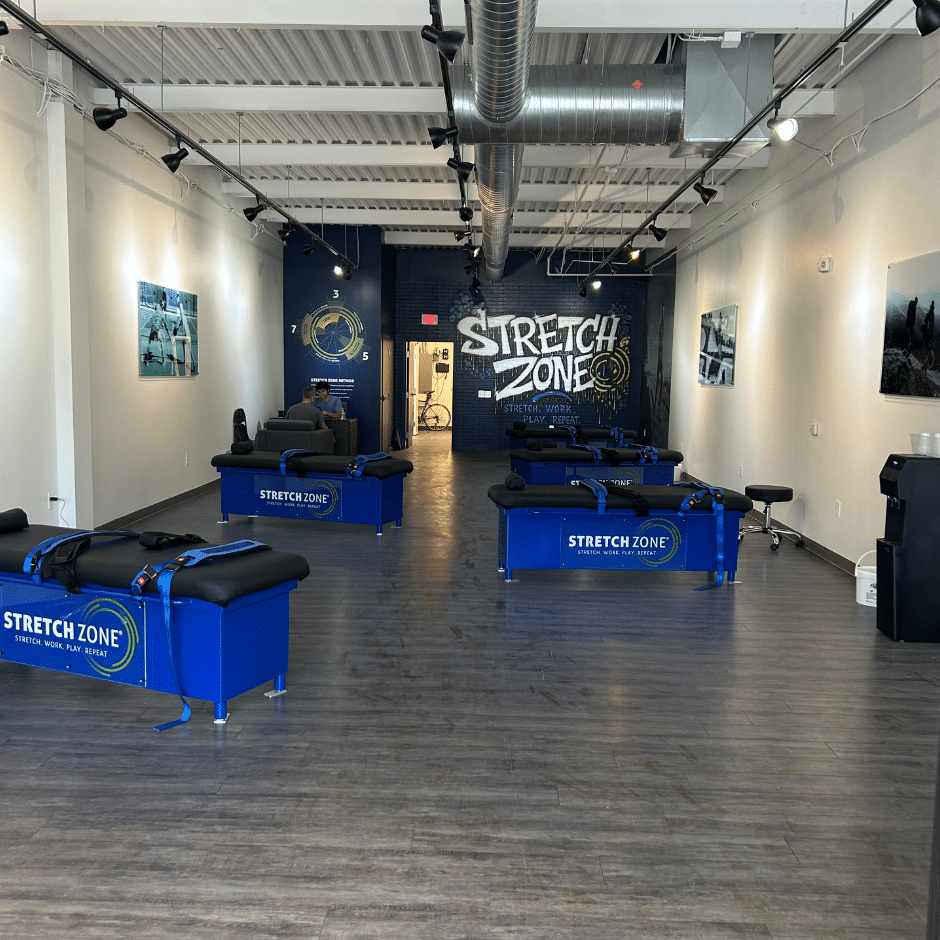
The healthcare landscape is undergoing a fundamental transformation in 2026. Professionals throughout Weston are abandoning the reactive approach to health—waiting until problems arise before seeking treatment—in favor of a proactive strategy that prevents issues before they develop. At the center of this shift is practitioner-assisted stretching.
The Preventative Health Revolution
For most of the twentieth century, healthcare operated on a reactive model: people sought medical attention when they became sick or injured. However, as chronic diseases have become the dominant health challenge, the limitations of reactive healthcare have become increasingly apparent.
Chronic conditions like heart disease, diabetes, arthritis, and chronic pain develop gradually over years or decades, often without obvious symptoms until significant damage has occurred. The preventative health revolution represents a shift from this reactive model to a proactive one, focusing on maintaining optimal function and addressing risk factors before they lead to disease or injury.
For Weston professionals, this shift is particularly relevant. The demands of modern professional life—long hours sitting at desks, high stress levels, inadequate physical activity, and poor posture—create conditions that predictably lead to chronic pain and mobility restrictions. Preventative health through regular assisted stretching interrupts this progression.
How Chronic Pain and Injury Develop
Most people think of injuries as acute events, but the majority of pain and dysfunction that affects Weston professionals develops gradually through a process of cumulative stress and compensation.
Consider the typical trajectory of a professional who spends eight to ten hours daily sitting at a desk. The seated position places the hip flexors in a shortened position for extended periods. Over weeks, months, and years, these muscles adapt, becoming chronically tight. Tight hip flexors pull the pelvis into an anterior tilt, which increases the curve in the lower back and places excessive stress on the lumbar spine.
Simultaneously, the forward head posture common during computer work places enormous stress on the neck and upper back. For every inch the head moves forward from its optimal position, the effective weight on the cervical spine increases by approximately ten pounds. Over time, this chronic stress leads to muscle tension, restricted mobility, and eventually pain.
For months or even years, the body may compensate successfully without obvious pain. However, the cumulative stress is building, and eventually a threshold is crossed. This is the typical pattern of chronic pain development among Weston professionals, and it is almost entirely preventable through regular mobility maintenance.
The Preventative Power of Assisted Stretching
Practitioner-assisted stretching interrupts the progression toward chronic pain and injury at multiple points. By systematically addressing muscle tightness, maintaining range of motion, and preventing compensatory movement patterns, regular stretching keeps the body functioning as it was designed to function.
First, assisted stretching prevents the accumulation of chronic muscle tension. When muscles are regularly stretched, they maintain their optimal resting length and do not develop the chronic shortening that occurs with prolonged sitting or repetitive movements.
Second, assisted stretching maintains full range of motion in all joints. When joints can move through their complete, natural range, the body has access to all available movement options and can distribute forces optimally during daily activities.
Third, regular stretching helps identify and address restrictions before they cause pain. A skilled stretch practitioner can identify restrictions in their early stages and address them before they lead to pain or injury. This early intervention is far more effective than waiting until pain develops.
The Weston Professional's Preventative Health Strategy
Weston professionals are discovering that incorporating regular assisted stretching into their wellness routine is one of the most effective investments they can make in their long-term health. Unlike many preventative health measures that require significant time, effort, or lifestyle changes, assisted stretching is passive, efficient, and immediately beneficial.
Many Weston professionals schedule regular stretch sessions during their lunch break or immediately after work, creating a structured transition between work mode and personal time. This scheduling strategy ensures consistency, provides a mental and physical break from work demands, and prevents the accumulation of tension that would otherwise build throughout the week.
Real Results: Weston Professionals Preventing Problems Before They Start
Robert, a forty-two-year-old financial advisor, began regular assisted stretching sessions at Stretch Zone not because he was experiencing pain but because he wanted to prevent the back problems that had affected his father and several colleagues. Three years later, Robert remains pain-free despite spending long hours at his desk and traveling frequently for work. He credits his consistent stretching routine with maintaining his mobility and preventing the issues that he sees affecting many of his peers.
Lisa, a thirty-five-year-old attorney, started assisted stretching after witnessing several senior partners at her firm struggle with chronic pain and mobility issues. She recognized that the long hours, stress, and sedentary nature of legal work created conditions for developing similar problems and decided to take preventative action. Five years into her stretching routine, Lisa reports that she has never experienced the neck pain, headaches, or lower back discomfort that many of her colleagues consider inevitable.
The Economic Case for Preventative Stretching
Beyond the obvious health benefits, preventative stretching makes strong economic sense. The direct and indirect costs of chronic pain and mobility issues are substantial: medical expenses for diagnosis and treatment, lost productivity from pain and dysfunction, reduced earning potential from limitations on work capacity, and opportunity costs of time spent managing health problems.
Preventative assisted stretching represents a modest investment that can prevent or significantly reduce these costs. At typical rates for stretch sessions in Weston, a preventative routine of one to two sessions per week costs less than many people spend on coffee or dining out. Yet the potential return on this investment—avoiding chronic pain, maintaining work capacity, preserving quality of life—is enormous.
Integrating Preventative Stretching Into Your Life
For Weston professionals interested in adopting a preventative health approach through assisted stretching, the process is straightforward. The first step is scheduling an initial session to establish a baseline assessment of your current mobility and identify any existing restrictions or areas of concern.
Most people begin with one to two sessions per week. This frequency provides enough stimulus to create meaningful improvements in flexibility and mobility while fitting reasonably into busy professional schedules. The key to successful preventative health through stretching is consistency—regular sessions maintained over months and years create cumulative benefits that transform long-term health outcomes.
Taking the First Step Toward Prevention
If you are a Weston professional who wants to maintain your health, mobility, and quality of life for decades to come, the time to begin preventative care is now. Waiting until pain develops or mobility becomes significantly restricted makes the path to wellness longer and more difficult. Starting before problems arise allows you to maintain optimal function and avoid the cascade of issues that typically develop over time.
Stretch Zone of West Broward offers scientifically-backed practitioner-assisted stretching at four convenient locations serving Weston, Plantation, Pembroke Pines, and Coral Springs. Our trained practitioners specialize in preventative care, helping clients maintain mobility, prevent injuries, and establish the foundation for long-term health and independence.
Ready to Invest in Prevention?
Experience the preventative power of assisted stretching with a complimentary first stretch session.